
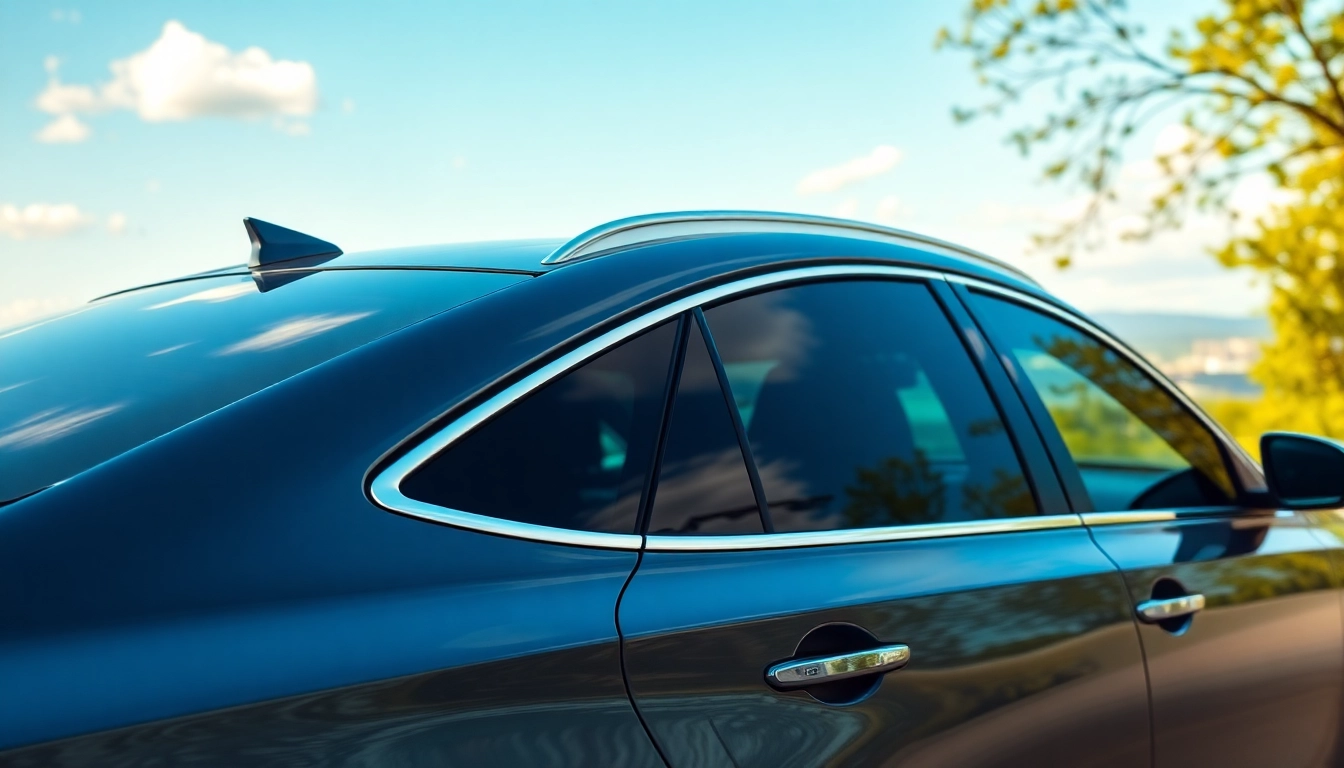
Understanding the Best Window Tint Chattanooga TN Options
When it comes to enhancing vehicle aesthetics and functionality, selecting the best window tint Chattanooga TN is crucial. Window tinting not only improves privacy but also protects interiors from harmful UV rays, reducing heat and glare while driving. With a wide variety of types and benefits, understanding your options will help you make an informed decision.
Types of Window Tints Available
Window tints come in several types, each offering distinct characteristics and advantages:
- Dyed Window Film: This film contains a layer of dye that absorbs heat and enhances privacy. It’s popular for aesthetics but offers the least UV protection.
- Metalized Window Film: Incorporating small metallic particles, this type reflects heat away and adds strength to the glass. It effectively blocks UV rays but may interfere with electronics.
- Carbon Window Film: Made from carbon particles, this film provides excellent heat rejection without causing signal interference. Carbon film maintains a rich, dark appearance and resists fading.
- Ceramic Window Film: Offering the highest performance in heat and UV rejection, ceramic films do not contain metal or dyes—making them an excellent choice for longevity and clarity.
- Hybrid Films: These combine various properties of dyed and metalized films, striking a balance between performance and aesthetics.
Benefits of Quality Window Tint
Investing in quality window tint yields several advantages:
- UV Protection: Quality tint blocks up to 99% of harmful UV rays, protecting skin and reducing interior fading.
- Heat Rejection: High-performance films keep your vehicle cooler by rejecting significant solar heat, enhancing comfort and reducing air conditioning costs.
- Glare Reduction: Tint minimizes glare from the sun and headlights, enhancing visibility and reducing eye strain.
- Increased Privacy: Tinted windows offer added privacy from prying eyes, making it difficult for outsiders to see inside your vehicle.
- Enhanced Aesthetics: Window tint improves the look of your vehicle, providing a sleek and polished appearance.
Choosing the Right Tint for Your Vehicle
Selecting the appropriate window tint involves considering several factors:
- Legal Restrictions: Check local laws for regulations on tint darkness and reflection to ensure compliance.
- Personal Preferences: Decide on how much visibility you want and the look you are aiming for. Different tints offer varying levels of opacity and styles.
- Climate Considerations: Choose a film that performs well in the climate you live in—ceramic films, for instance, are excellent in sunny regions due to their superior heat rejection.
- Budget: Set a budget, keeping in mind that higher-quality films often come with better warranties and performance.
Installation Process for Window Tinting
Preparing Your Vehicle for Tinting
Proper preparation is key to achieving a professional finish during installation:
- Clean the Windows: Thoroughly clean your windows using a glass cleaner and microfiber cloth to ensure no dirt or grease disrupts the application.
- Remove Any Obstructions: Take out any items from your vehicle that may obstruct the window, such as sun visors and windshield wipers, if necessary.
- Inspect Existing Tint: If your vehicle already has tint, assess its condition before removing it. Damaged or old film should be stripped away for a clean application.
- Choose the Right Environment: Ideally, the tinting should be done in a controlled environment, such as a garage, where dust and wind are minimized.
Step-by-Step Installation Guide
The installation of window tint can be a detailed process. Here’s a step-by-step guide:
- Measure the Windows: Carefully measure each window to know how much film is needed, considering any contours or curves.
- Cut the Film: Cut the film to size with a utility knife, leaving a slight overhang to ensure full coverage.
- Apply the Solution: A slip solution helps to position the film. Spray the window and the adhesive side of the film liberally.
- Position the Film: Align the top edge of the film with the top of the window and let it fall into place, adjusting as necessary.
- Use the Squeegee: Starting from the center, use a squeegee to remove air bubbles and excess solution, working outwards towards the edges.
- Trim Excess Film: Once the film is adhered well, trim off any excess to ensure a clean finish.
- Heat Treatment: If doing a heat shrink, apply heat to conform the film to the glass’s shape, especially around edges.
Common Mistakes to Avoid
To ensure a successful installation, avoid these common pitfalls:
- Skipping Preparation: Rushing the cleaning and preparation process can lead to visible defects.
- Wrong Film Type: Selecting the wrong type of film can lead to dissatisfaction. Research is key.
- Incorrect Measurements: Inaccurate measurements can result in improperly fitted tint that doesn’t adhere correctly.
- Ignoring Climate: Installing tint in humid or excessively sunny conditions can lead to bubbles and premature failure.
- Using Poor Quality Film: Low-quality films can fade and bubble, requiring early replacement.
Legal Regulations for Window Tinting in Chattanooga
Tinting Laws Overview
Window tinting regulations can vary significantly by state and locality. In Chattanooga, TN, these laws dictate how dark and reflective your tint can be. Typically:
- Front Windshield: Must allow more than 35% of light in.
- Front Side Windows: Must also allow more than 35% of light in.
- Back Side Windows: No restrictions on darkness.
- Rear Window: No restrictions; however, dual side mirrors are required if tinted.
How to Stay Compliant with Regulations
To ensure compliance with local laws, consider the following steps:
- Consult Local Authorities: Always check with local DMV or law enforcement for the most recent tinting laws and regulations.
- Choose Certified Installers: Work with professional installers familiar with legal requirements and who use compliant materials.
- Keep Documentation: Maintain records of purchase and installation that may be needed for law enforcement verification.
The Importance of Legal Tinting
Staying within legal limits is vital for several reasons:
- Safety: Proper tinting maintains adequate visibility for the driver and prevents accidents.
- Avoiding Fines: Non-compliance can lead to hefty fines and may require costly removal of the illegal tint.
- Legal Protection: Ensuring compliance keeps you in good standing with law enforcement and insurance policies.
Maintaining Your Window Tinting
Care Tips for Longevity
Proper maintenance can extend the life of your window tint significantly:
- Avoid Cleaning Chemicals: Use ammonia-free cleaners and soft cloths to prevent damage to the film.
- Let the Tint Cure: Allow the tint to properly cure after installation; typically, refrain from rolling down windows for at least 48 hours.
- Regular Inspections: Check for peeling, bubbling, or discoloration periodically, addressing any issues promptly.
Signs Your Tint Needs Replacement
Monitor your tint for these signs indicating it may need to be replaced:
- Bubbling: If bubbles form, it often means the adhesive has failed.
- Fading: Signs of discoloration indicate the tint’s effectiveness has diminished.
- Peeling Edges: If the edges of your tint begin to peel away, it may need removal and replacement.
Effect of Weather Conditions on Tint
Extreme weather can impact the tinting film’s longevity:
- Heat: Excessive heat can cause films to warp or bubble, especially if low-quality materials are used.
- Cold: Infrigid conditions, adhesive can weaken, leading to peeling or bubbling over time.
- Humidity: High moisture can affect the curing process, leading to poor adhesion and potential failures.
Frequently Asked Questions About Window Tinting
What is the average cost of window tinting?
The average cost varies based on the type of film and vehicle size but typically ranges from $150 to $400 for complete installation.
How long does window tint last?
High-quality window tint can last anywhere from 5 to 15 years, depending on maintenance and environmental factors.
Can I remove window tint by myself?
While it’s possible to remove window tint yourself, it’s advisable to seek professional help to avoid damage to the glass.
Is window tinting safe for my car?
Yes, window tinting is safe when installed correctly, enhancing visibility while protecting against UV rays and heat.
How does window tinting affect car insurance?
Most insurance policies recognize window tinting as an enhancement; however, check with your provider to confirm compliance with local laws.